
Liquid Cooling & Heating Applications
Discover how our liquid cooling technology integrates into different industries and environments.
External thermal control unit
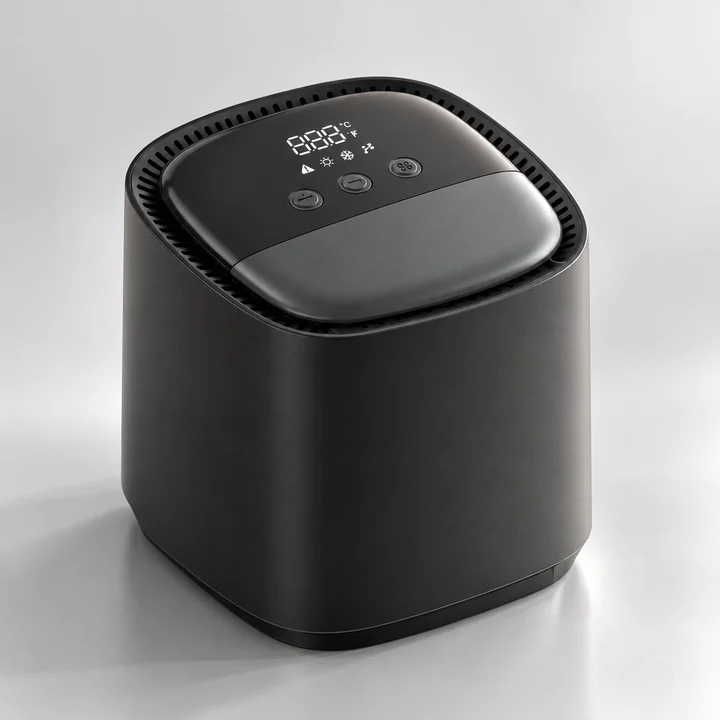
A separate unit that circulates cooled or warmed liquid through a connected pad.
View applicationPet mats and bed inserts
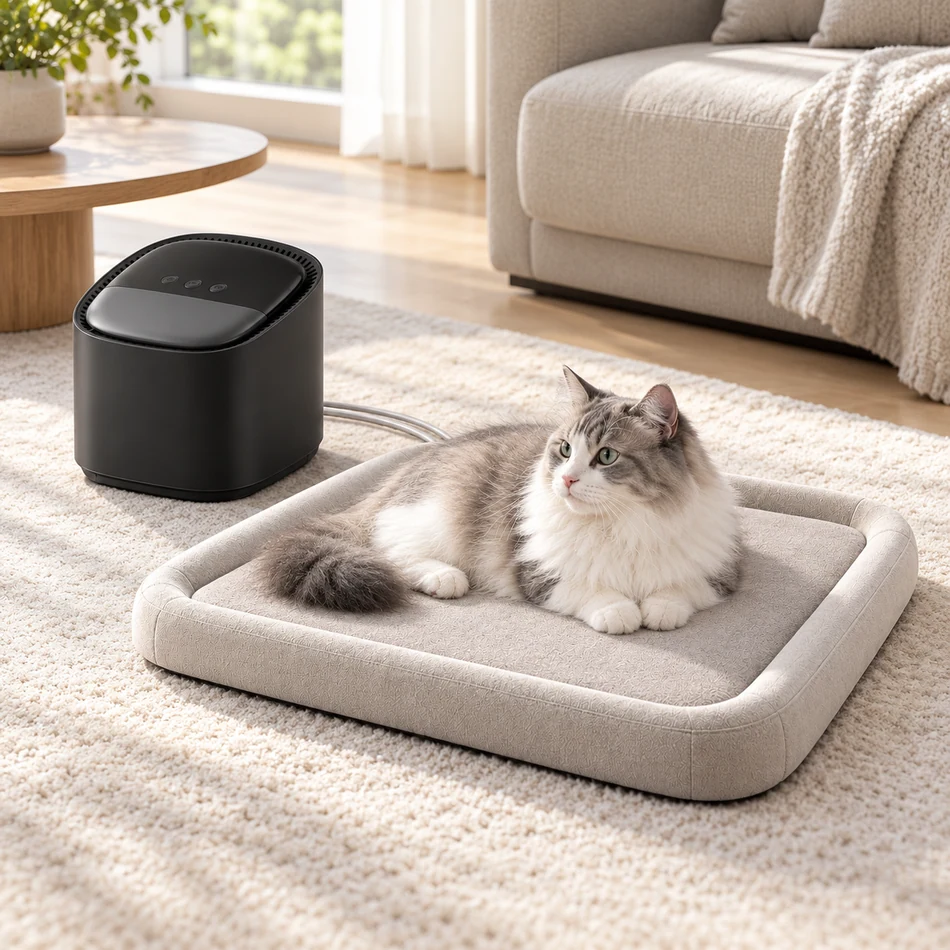
A mat in development for cats and dogs. Use it on the floor or fit it inside a pet bed.
View applicationAT1-P passenger car seat cushion
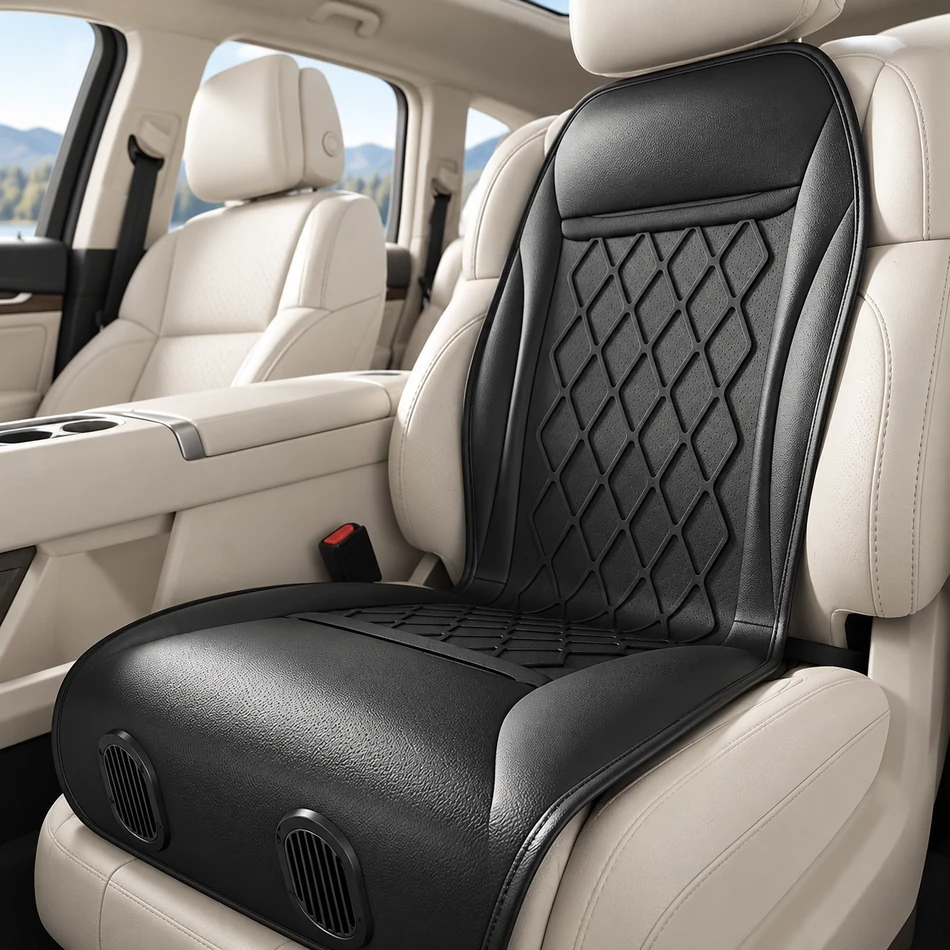
A 12 V cushion that fits over the seat and backrest, with cooling and heating built in.
View applicationCommercial vehicle seat cushion
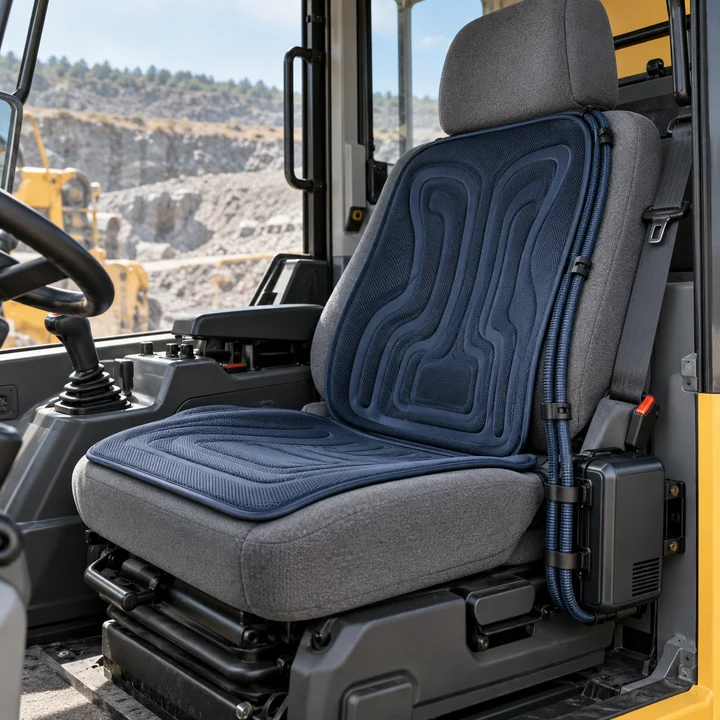
A cooling cushion concept for trucks and equipment cabs. Fit and 24 V power are evaluated for each vehicle.
View applicationOffice and home seat cushion
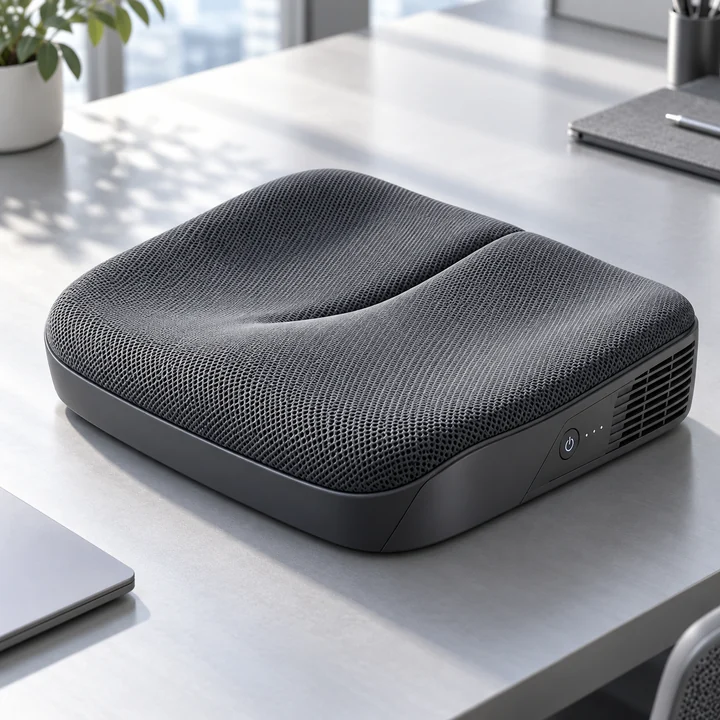
A chair cushion concept with built-in cooling and heating for desk chairs.
View applicationWheelchair seat and back cushions

Separate seat and back pads with an external unit for temperature control.
View applicationSingle-bed mattress topper
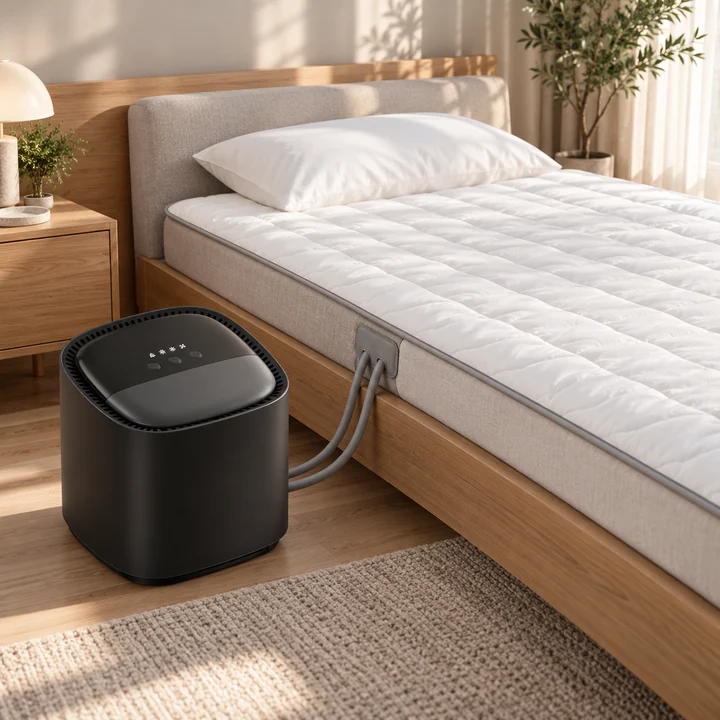
A thin pad that circulates liquid across the bed, connected to a bedside unit.
View applicationLiquid-cooled pillow pad
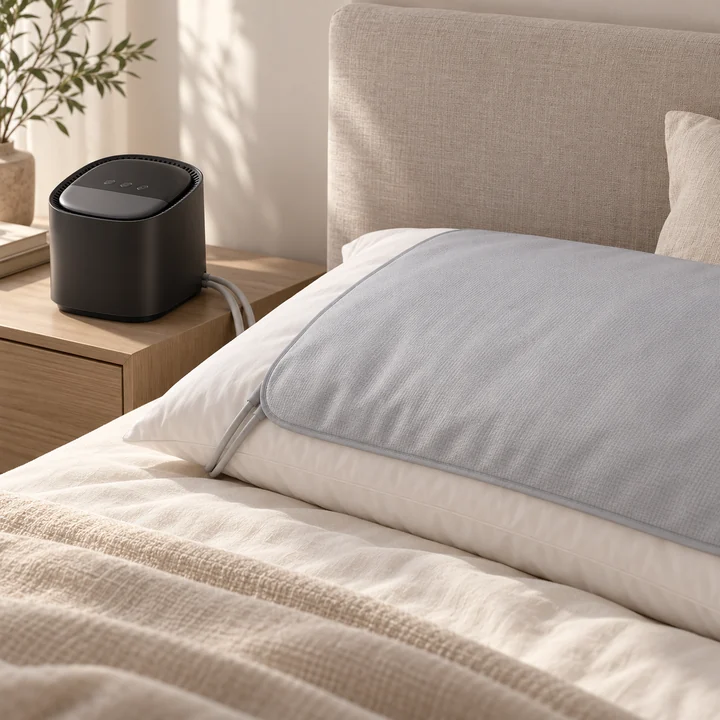
A flexible pad that fits inside a pillowcase and cools the contact area.
View applicationP10 portable cooling vest
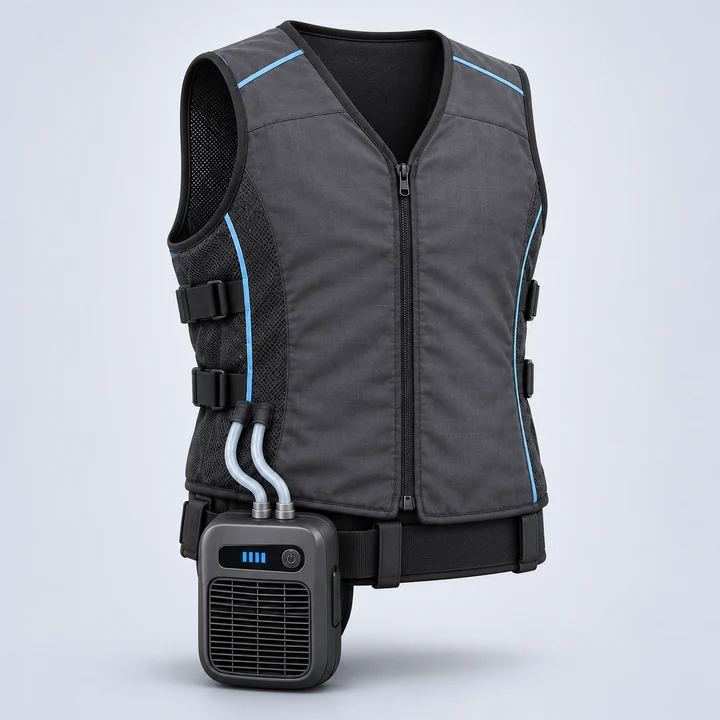
A liquid cooling vest with a battery-powered unit worn at the waist.
View applicationConcept illustrations
How the Liquid Cooling and Heating System Works
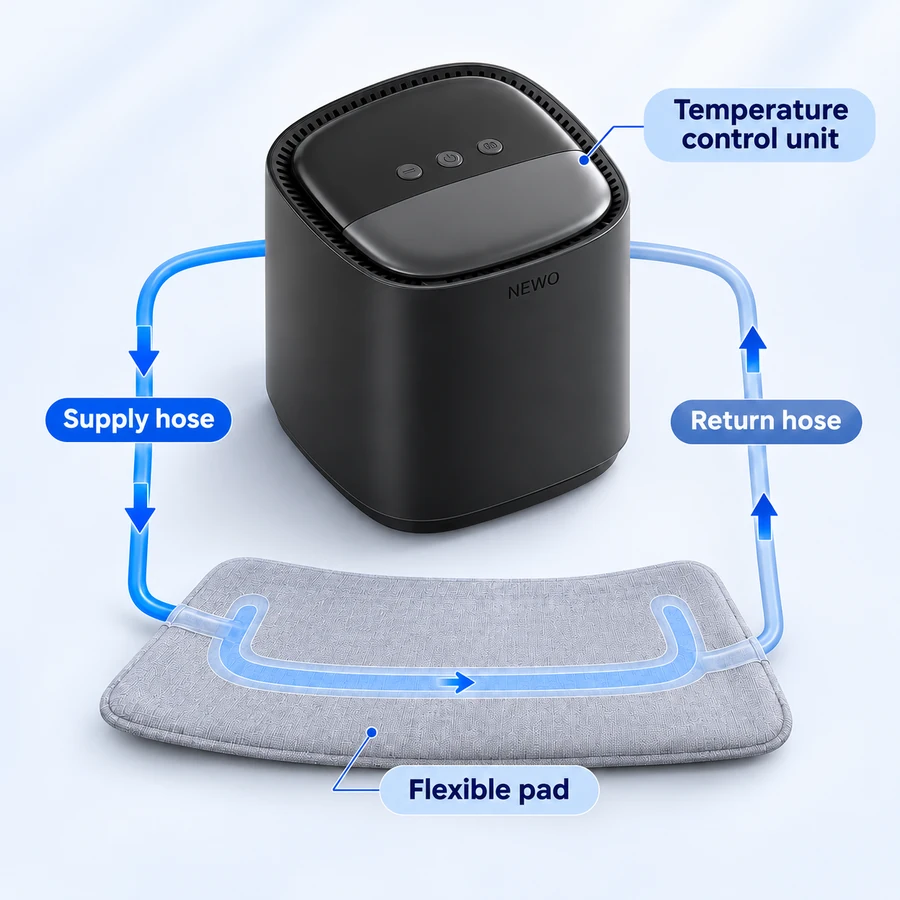
The unit cools the liquid
The thermoelectric cooling system regulates the liquid temperature, allowing it to circulate continuously through the loop.
The pump circulates it through the pad
The supply hose delivers cooled liquid into the flexible pad’s internal channels, where the liquid absorbs heat from the surface.
The liquid returns to the unit
The return hose completes the closed-loop cycle, allowing the liquid to be re-cooled and re-circulated.
Heating Mode. An external temperature control unit designed for heating can also warm the liquid before it flows through the pad. The AT1-P utilizes an internal cooling loop and a separate PVC heating element built into the cushion.
Learn more about the AT1-P system