Liquid
Temperature-Control
Solutions
Discuss a Project

Liquid temperature control for pet beds, bedding, and seats

When the surface a person or pet rests on needs cooling or warming, a pump can circulate temperature-controlled liquid through a flexible pad. An external unit keeps the pump, controls, and heat sink out of the contact surface, where thickness and comfort matter.

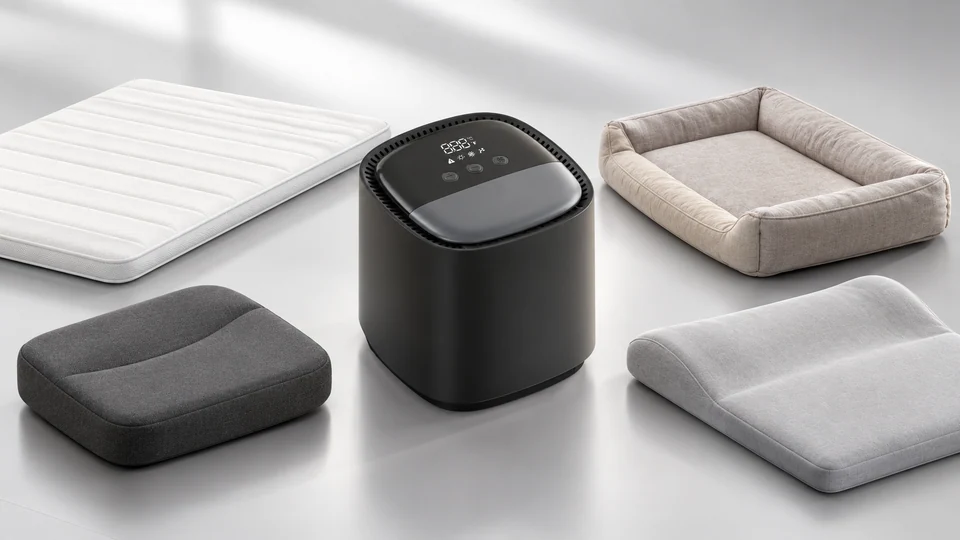
Separate temperature control unit alongside examples of flexible pad formats
External control unit with examples of pad formats

Three ways to use an external control unit

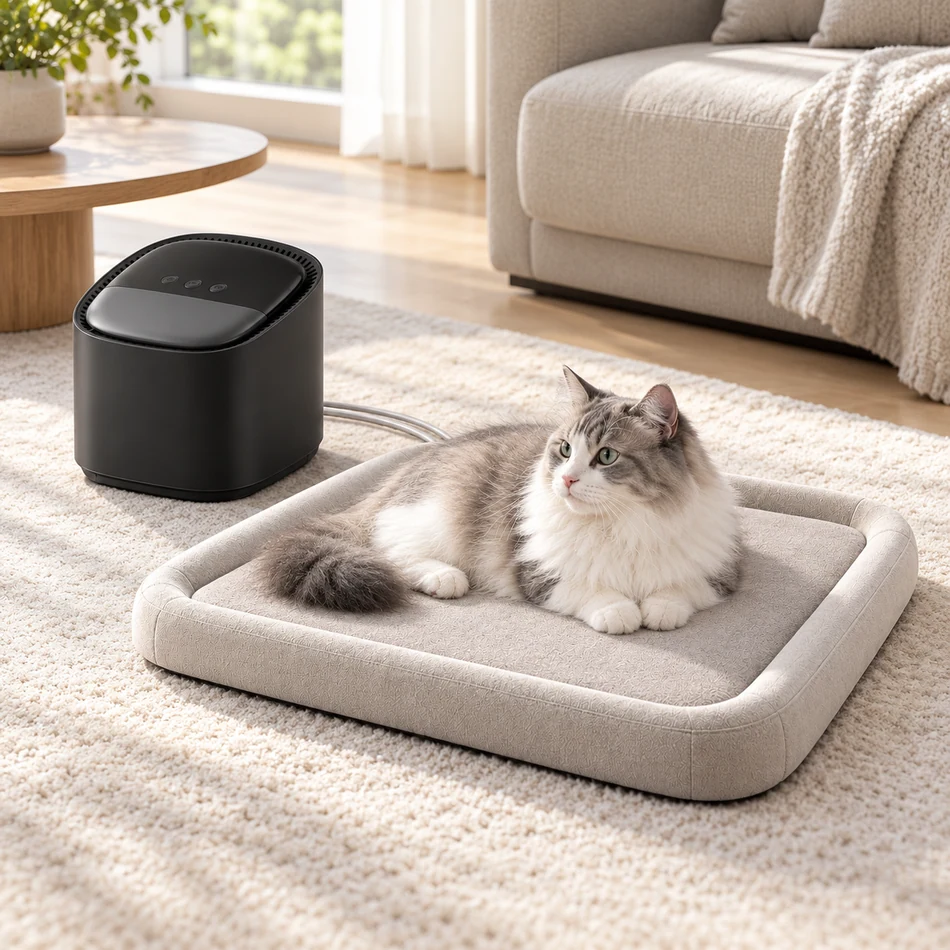
Cat resting on a low-sided mat beside its external temperature control unit

A mat inside a pet bed

The design problem
A pet bed brand wants a temperature-controlled resting area. Hardware under the animal would take up space where the bed needs a soft surface and a removable cover.
How the unit helps
A thin insert sits inside the bed. Two hoses leave at the edge so the unit can sit in a ventilated spot out of the pet’s reach. The cover and hose exit can be designed around routine cleaning.
Explore pet bed setups
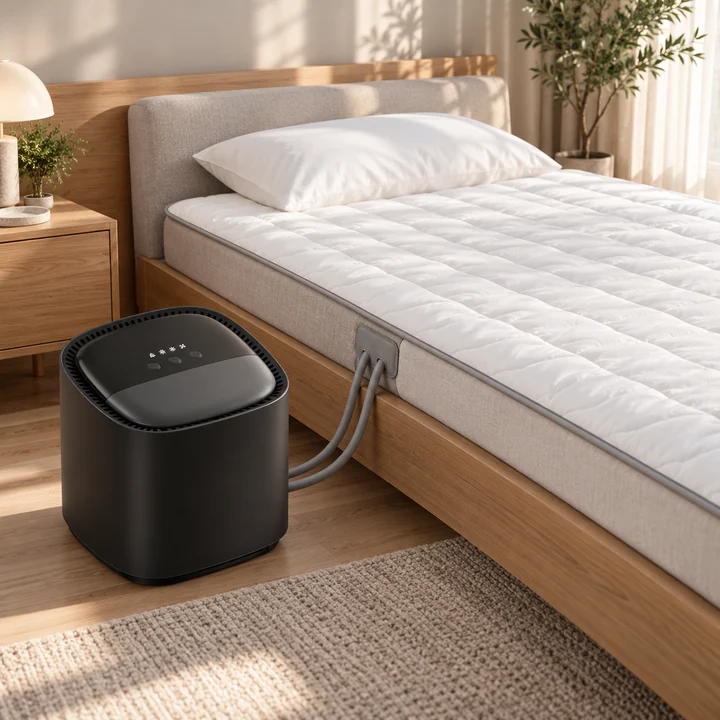
Mattress topper with hoses running to the external unit beside the bed

A mattress topper or pillow pad

The design problem
The area under a sleeper’s body or head can feel warm even when the room is cool. A bedding brand may need to cool one area and keep the pad thin enough to fit the existing bed or pillow.
How the unit helps
A bedside unit circulates liquid through the chosen pad. The topper covers a larger area. The pillow pad targets the head contact area. Pad size, hose placement, and noise at the pillow guide the design.
Compare the bedding setups
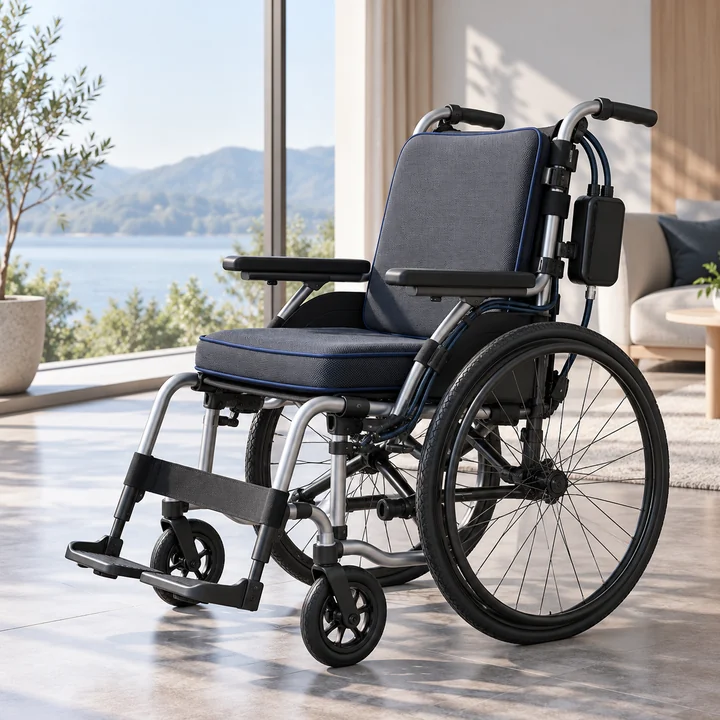
Chair with separate temperature-controlled seat and back pads

Thin seat and back pads

The design problem
A seating brand wants to address heat where the user sits or leans. Thick hardware inside the pad can change seat height or the fit against the backrest.
How the unit helps
Positioning the unit on the chair leaves the seat and back pads thinner. On a wheelchair, the mounting point and hose route need to clear the wheels, brakes, and folding parts.
See a seat and back pad layout

Where to put the cooling hardware

Separate control unit

Choose this layout when the pad needs to stay thin and there is room beside or below the product. Plan a ventilated position for the unit, then check the supply and return hoses with the pad compressed or moving.

Built-in cooling

Consider a built-in system when the product needs to move as one piece and its housing has room for the pump, controls, and heat sink. Check air intake and exhaust clearance and access during assembly.

See how the built-in AT1-P works

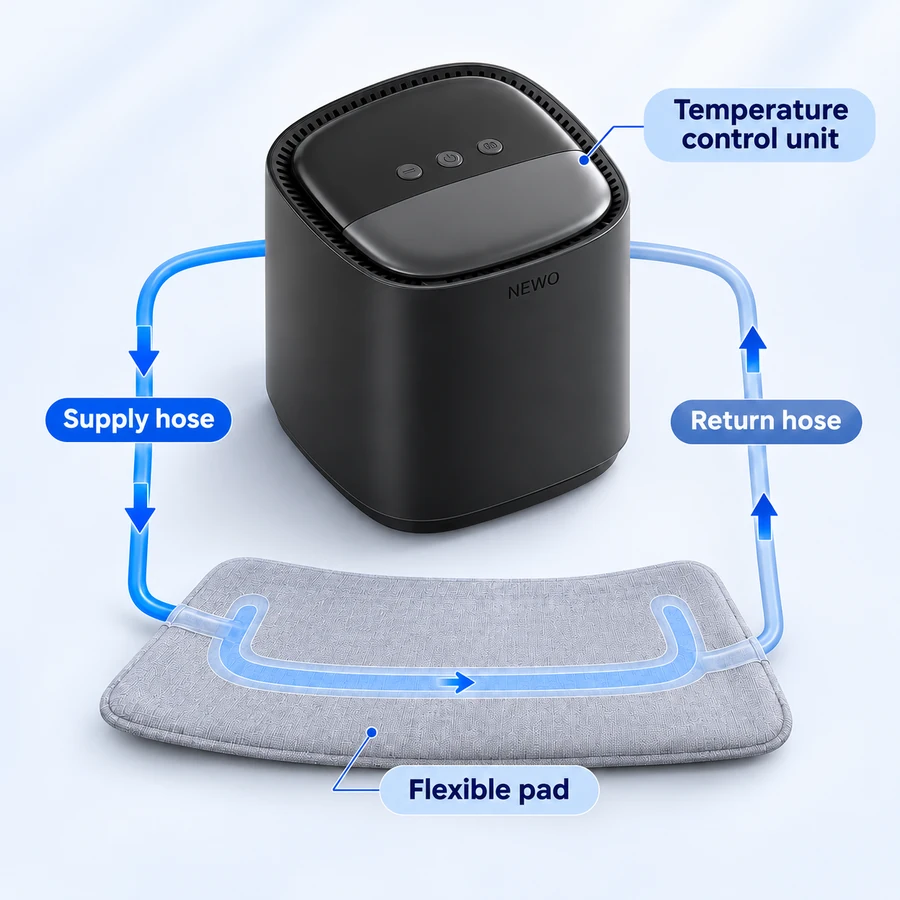
How the liquid loop works

  1. Cool the liquid

    A thermoelectric module moves heat from the liquid to a heat sink. The heat sink releases it into the air around the unit.

  2. Circulate it through the pad

    The pump sends the liquid through channels in the pad. The liquid picks up heat where the pad touches the body or pet.

  3. Return it to the unit

    The return hose carries the liquid back to cool again. A system configured for warming can also send warmed liquid through the pad.

Supply hose carries liquid to the pad. The return hose carries liquid back to the control unit.
Supply and return lines in a system with an external unit

What we need to size the system

Discuss system integration